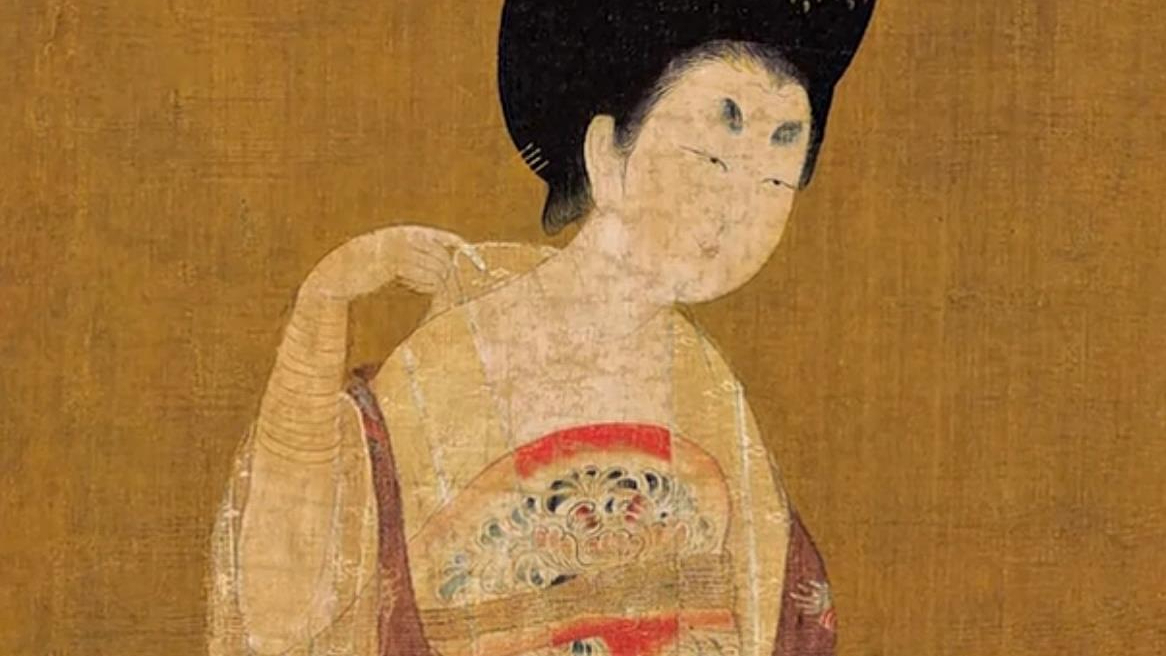
Zhou Fang
Introduction
Zhou Fang was a distinguished Chinese painter during the Tang Dynasty, renowned for his exquisite representations of court ladies, a subject that became synonymous with his name. His works are celebrated for their breathtaking detail and elegance, capturing the grace and poise of noblewomen of the Tang period. Zhou Fang's art remains a benchmark in Chinese painting, offering insight into the aesthetics and culture of one of China's most prosperous dynasties. His legacy endures through the masterpieces that continue to inspire and captivate art enthusiasts and historians alike.
Historical Background
The Tang Dynasty, which lasted from 618 to 907, is often considered a pinnacle of Chinese civilization. It was a period marked by cultural flourishing, economic prosperity, and expansive territorial reach. This era saw a remarkable amalgamation of influences from across Asia, as trade along the Silk Road brought diverse cultures into contact with the Chinese heartland. Art and literature thrived, with painters like Zhou Fang contributing significantly to the rich tapestry of Tang cultural achievements. The era's art often reflected the societal values of the time, emphasizing beauty, elegance, and sophistication, ideals that were vividly embodied in Zhou Fang's depictions of court ladies.
Biography
Early Life
Little is known about Zhou Fang’s early life, but it is believed he was born into an affluent family, which afforded him the opportunity to pursue his passion for painting. His social standing provided him access to the Tang court, where he would observe and interact with the aristocracy. This exposure greatly influenced his artistic style and choice of subjects. Zhou Fang's familial connections and standing in society likely provided him with the resources and education needed to refine his artistic skills, positioning him as a prominent figure within the cultural milieu of the Tang Dynasty.
Career
Zhou Fang's career was marked by his appointment as a court painter, a prestigious position that allowed him to perfect his craft. His works primarily focused on the depiction of noblewomen, a subject he rendered with remarkable precision and beauty. Zhou Fang was known for his meticulous attention to detail, capturing the intricate patterns of silk robes, the delicate features of his subjects, and the graceful postures that characterized Tang aristocracy. His paintings not only exemplified technical skill but also conveyed the cultural ideals of the Tang Dynasty, blending elegance with subtlety to evoke a sense of imperial grandeur and refinement.
Artistic Style
Zhou Fang's artistic style is recognized for its intricate detail and vibrant use of color, hallmarks of the Tang Dynasty's artistic sophistication. His works often depicted court ladies adorned in elegant robes with elaborate hairstyles, embodying the grace and poise of Tang aristocracy. Zhou Fang employed a fine brush technique known as gongbi, which allowed for precise lines and rich colors. This method was ideal for capturing the luxurious textiles and delicate features of his subjects. Additionally, Zhou Fang's compositions were balanced and harmonious, reflecting the aesthetic values of the time and contributing to his lasting influence on Chinese art.
Notable Works
Among Zhou Fang's notable works is Court Ladies Adorning Their Hair with Flowers, a painting that showcases his mastery of detail and composition. This piece illustrates the elegance and refinement of Tang noblewomen, depicting them in flowing robes, adorned with flowers in their hair—a symbol of beauty and grace. The painting is celebrated for its intricate portrayal of textiles and the serene expressions of the women, elements that exemplify Zhou Fang's artistic prowess. His works are considered critical to understanding the cultural and social landscape of the Tang Dynasty, offering a window into the lives and aesthetics of the era's elite.
Influence and Legacy
Zhou Fang's influence extends beyond his lifetime, shaping the trajectory of Chinese art and the depiction of women in painting. His work set a standard for portraying feminine beauty and grace, influencing subsequent generations of artists. Zhou Fang's emphasis on elegance and detailed representation became a benchmark in Chinese art, with many later artists drawing inspiration from his style. His paintings not only enrich the historical understanding of the Tang Dynasty but also continue to captivate and inspire, underscoring the enduring appeal of his artistic vision. Zhou Fang's legacy is preserved in museums and cultural institutions, where his masterpieces are celebrated as treasures of Chinese cultural heritage.








